Type II Sulfuric Acid Anodizing
Complete guide to MIL-A-8625 Type II sulfuric acid anodizing: process parameters, coating thickness, color classes, and why it's the right process for continuous coil anodizing.
Engineering resources on anodizing processes, aluminum alloys, surface finishes, and manufacturing techniques — from the team that produces 150,000 tonnes of anodized aluminum annually.
In-depth technical resources covering anodizing processes, material selection, and surface finishing. Written by our engineering team based on real production experience.

Complete guide to MIL-A-8625 Type II sulfuric acid anodizing: process parameters, coating thickness, color classes, and why it's the right process for continuous coil anodizing.

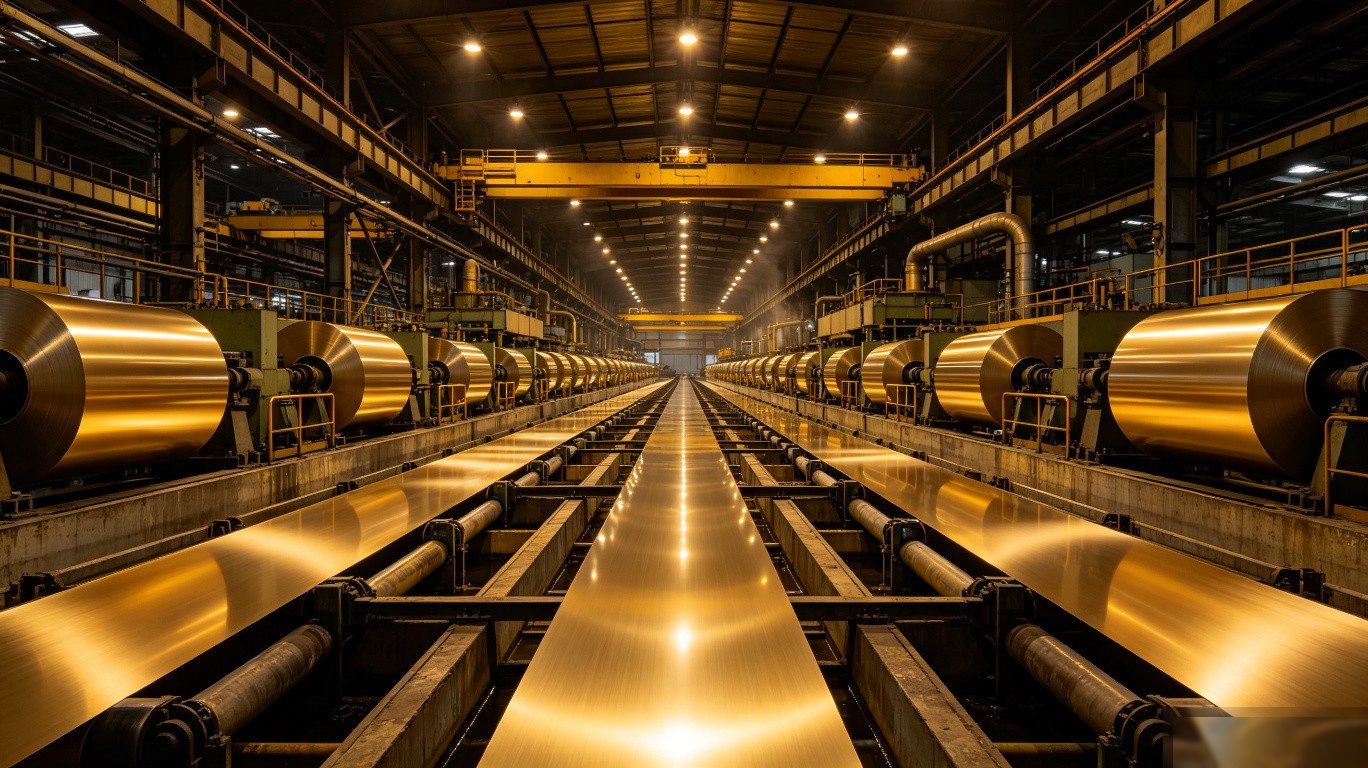
The complete guide to continuous aluminum coil anodizing — covering the process, equipment, alloys, specifications, quality control, and applications from ALBEI's 150,000-tonne annual production.

Detailed comparison of continuous coil anodizing and batch (rack) anodizing: process differences, throughput, cost, finish quality, thickness control, and when to choose each method.

In-depth guide to continuous coil anodizing technology: line configuration, the 8-stage process flow, inline control systems, quality monitoring, and equipment specifications from ALBEI's 200+ meter processing lines.

How to bend anodized aluminum without cracking the finish: minimum bend radius rules (R ≥ 1.5t), rolling direction, hot vs cold rolled base material, and a field-tested fabrication checklist.

What causes the fine white micro-crack lines in anodized aluminum, why they are inherent to continuous coil anodizing, how to tell them from bending damage, and how to spec finishes that keep them invisible.

Cut-to-length and slitting practice, handling and packaging rules, protective film use and removal, cleaning and maintenance, visual inspection criteria, and the fire performance of anodized sheet.

Recommendations for architectural projects in anodized aluminum: specifying alloy, film, color and finish; mock-ups and signed limit samples; enforceable acceptance criteria; site receiving and protection; handover inspection and reporting.

Choosing the right aluminum alloy for anodizing: comparing 1xxx, 3xxx, 5xxx, and 6xxx series for formability, anodizing response, and application suitability.

Understanding MIL-A-8625 Type III hard coat anodizing: thick oxide layers (25–100+ μm) for wear resistance, military specs, and high-abrasion applications.

From brushed to frost mirror, embossed to sandblasted — understanding decorative surface treatments for anodized aluminum and when to use each finish.

Comparing anodizing and powder coating for aluminum: durability, color options, cost, maintenance, environmental impact, and which is better for outdoor use.

Where anodized aluminum is used worldwide: architectural cladding, automotive trim, electronics housings, appliance panels, lighting reflectors, and more.
Technical resources organized by process and material category. New guides are published regularly by our engineering team based on real production data.
Our technical team can help you select the right alloy, process, and finish for your project. Send us your specifications and we'll respond within 24 hours.